Common Japanese Terms Used in Visa Applications
A guide to key Japanese terms that frequently appear in visa applications. Covers Status of Residence, Visa, COE, Residence Card, and more used in Immigration Services Agency documents.

We provide useful information about Japanese visas and status of residence.
General information such as visa application procedures
32 posts · Page 1 of 2
A guide to key Japanese terms that frequently appear in visa applications. Covers Status of Residence, Visa, COE, Residence Card, and more used in Immigration Services Agency documents.
A guide to the key notification obligations foreigners on long-term stays in Japan need to know — covering address, workplace, marriage, and name changes, the 14-day deadline, and how missed notifications can affect visa and permanent residence applications.
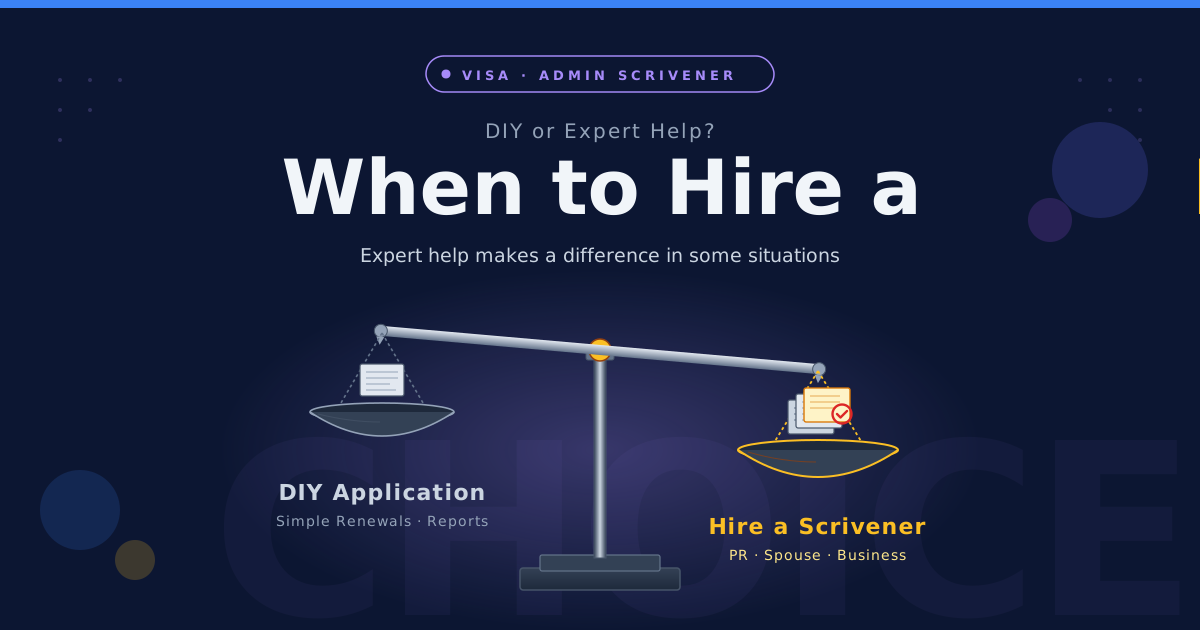
Learn when it makes sense to hire an administrative scrivener for your Japan visa or status of residence application — covering permanent residence, spouse visas, Business Manager visas, and more.
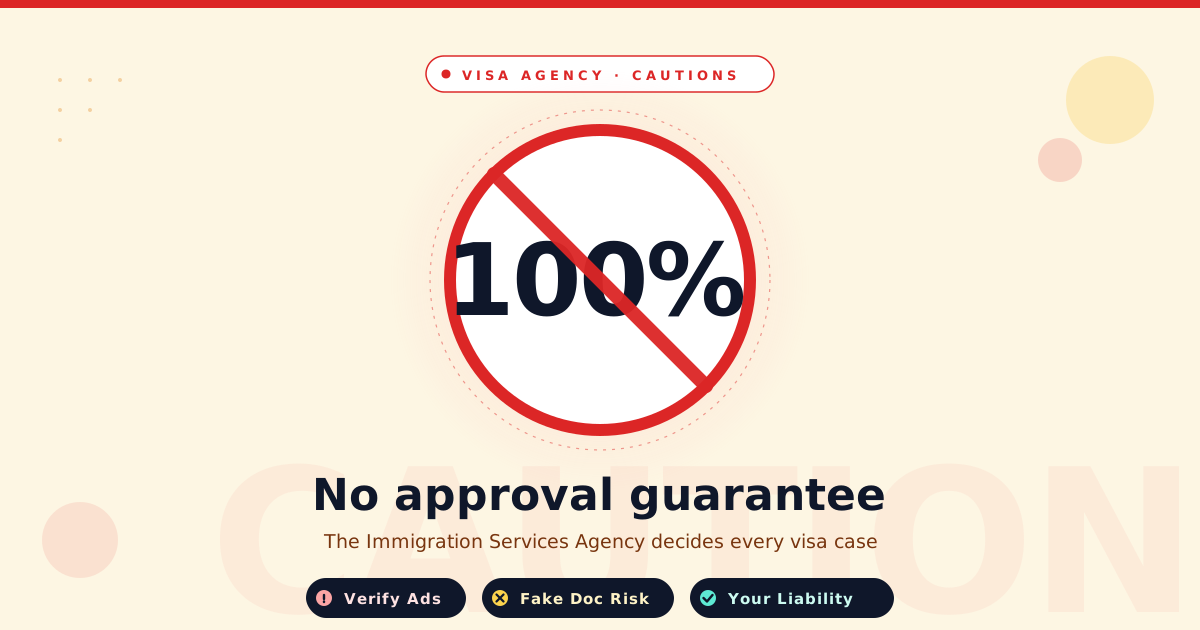
Key cautions to keep in mind when using a Japan visa application agency. Covers verifying Administrative Scrivener credentials, spotting misleading "100% approval" claims, the risks of falsified documents, and where final responsibility lies — along with practical selection criteria.
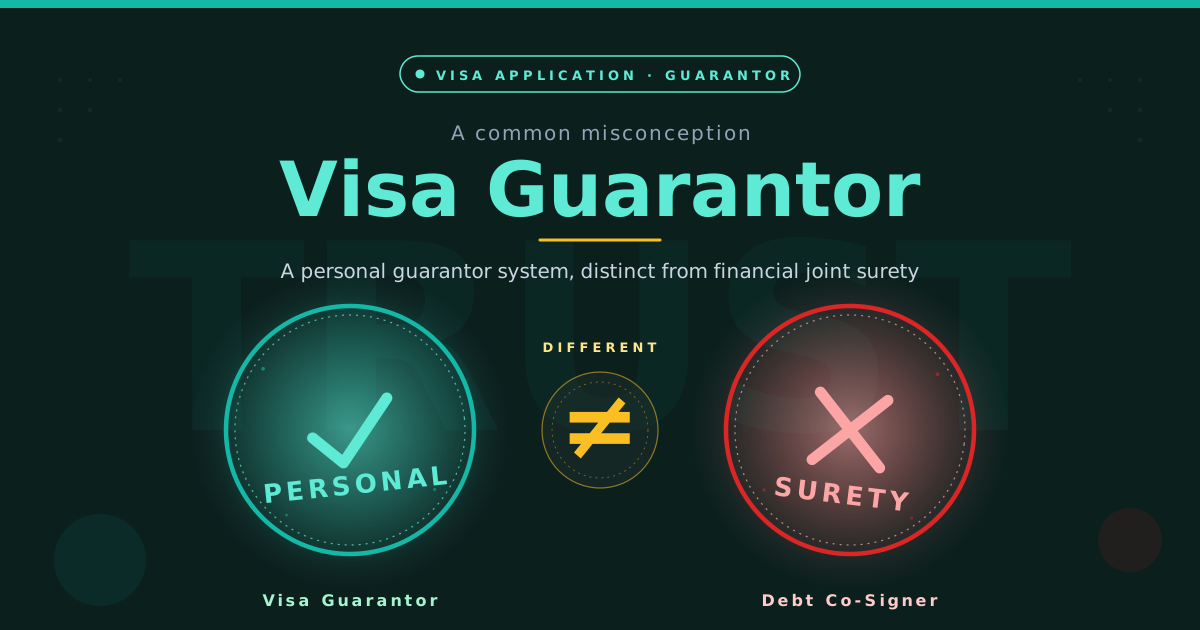
The guarantor required for a Japanese visa application is a very different concept from the joint surety used in financial lending. This article explains the role, responsibilities, and eligibility requirements of guarantors commonly requested for Spouse Visas, Permanent Residence, and Long-Term Resident applications.
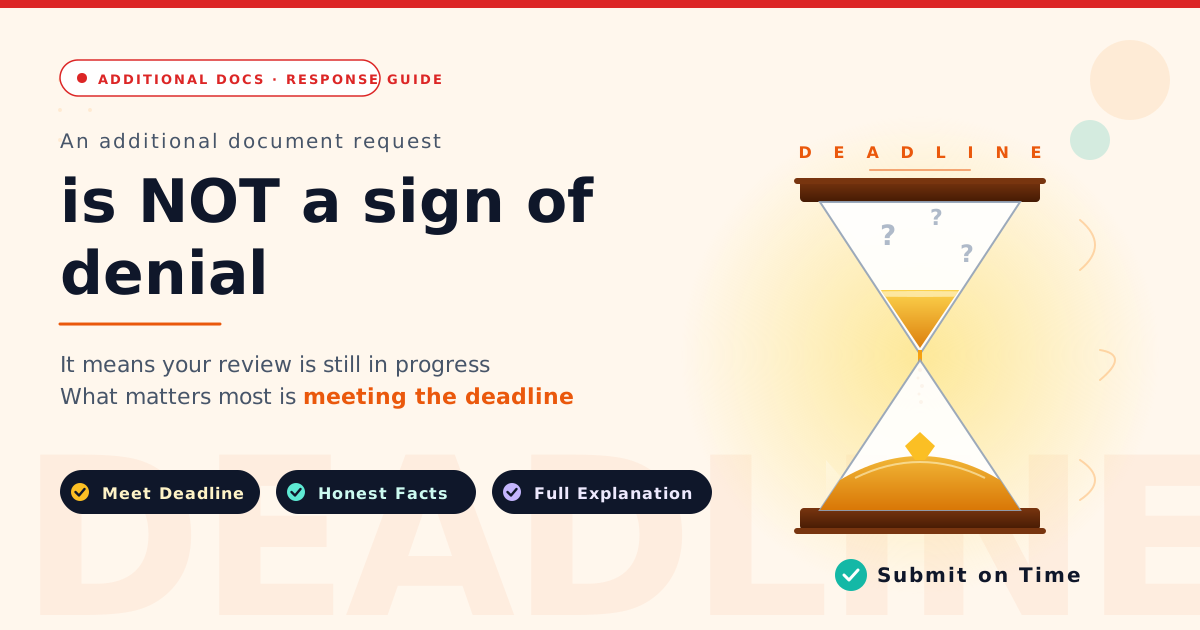
What to do when the Immigration Services Agency requests additional documents during your Japan visa review. Covers why requests are made, the importance of meeting deadlines, why you should never alter documents, and how to write an explanation letter.
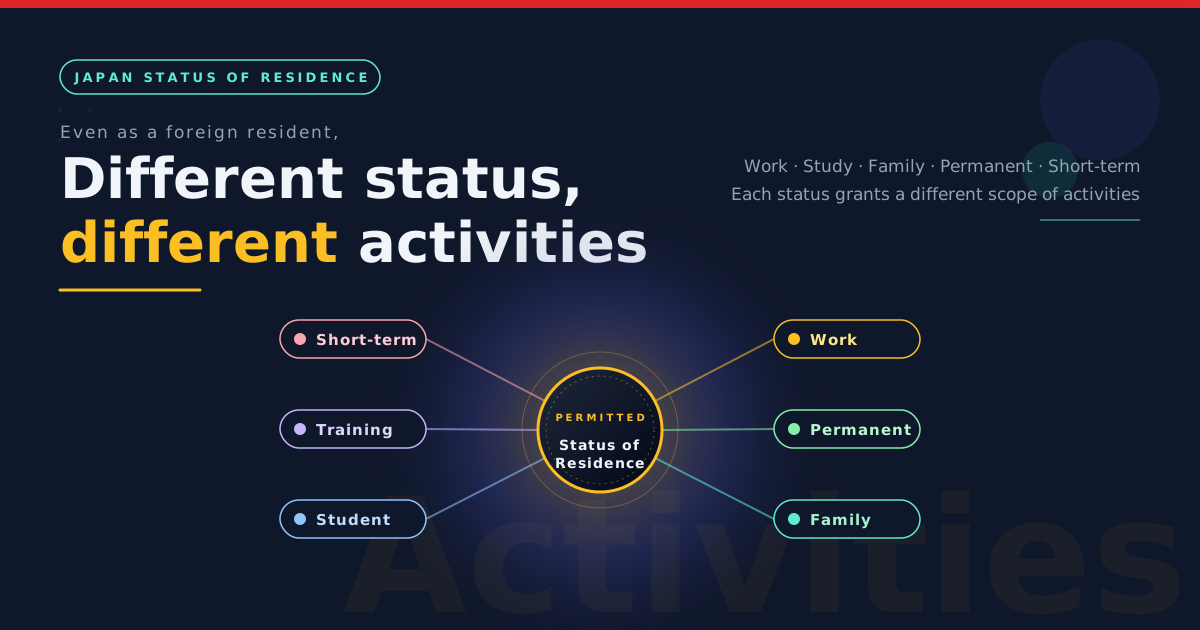
Unlike a visa, your Status of Residence in Japan defines exactly what activities you are allowed to do while staying in the country. This guide breaks down the permitted activities for major statuses including Engineer/Humanities, Permanent Resident, Student, and Dependent.
Learn why income plays a key role in Japanese visa screening. Covers what Immigration checks for work visas, spouse visas, and permanent residency — from salary levels to tax payments and social insurance.
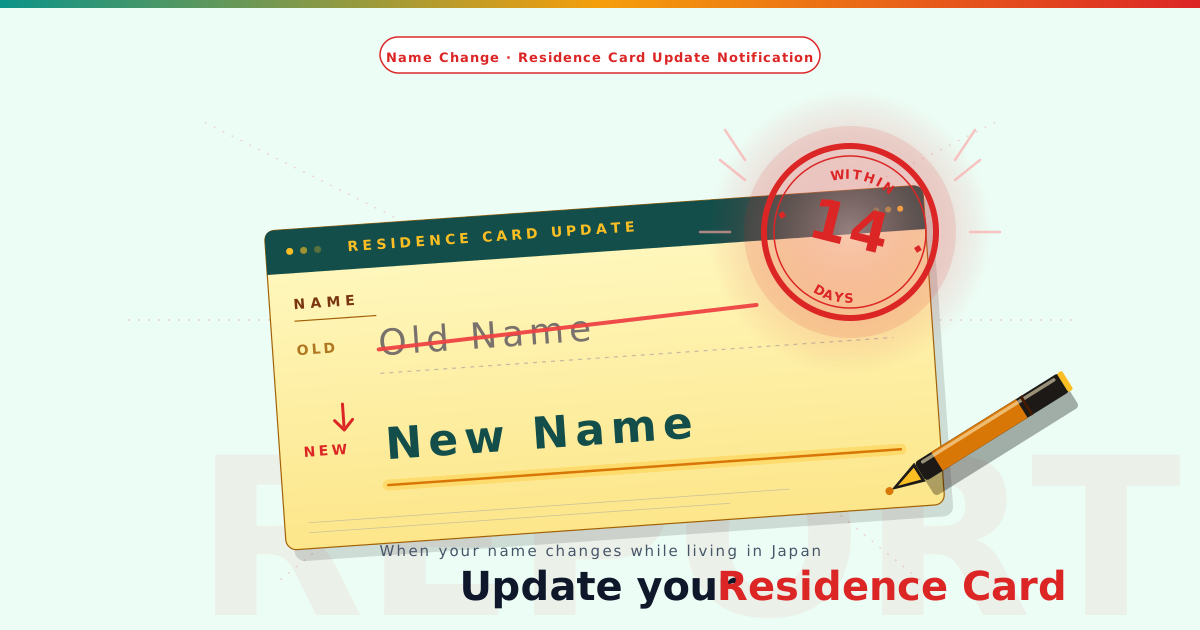
A guide to the required procedures when your name changes due to marriage or legal name change while living in Japan. Covers Residence Card updates, the 14-day deadline, and other registrations to update.
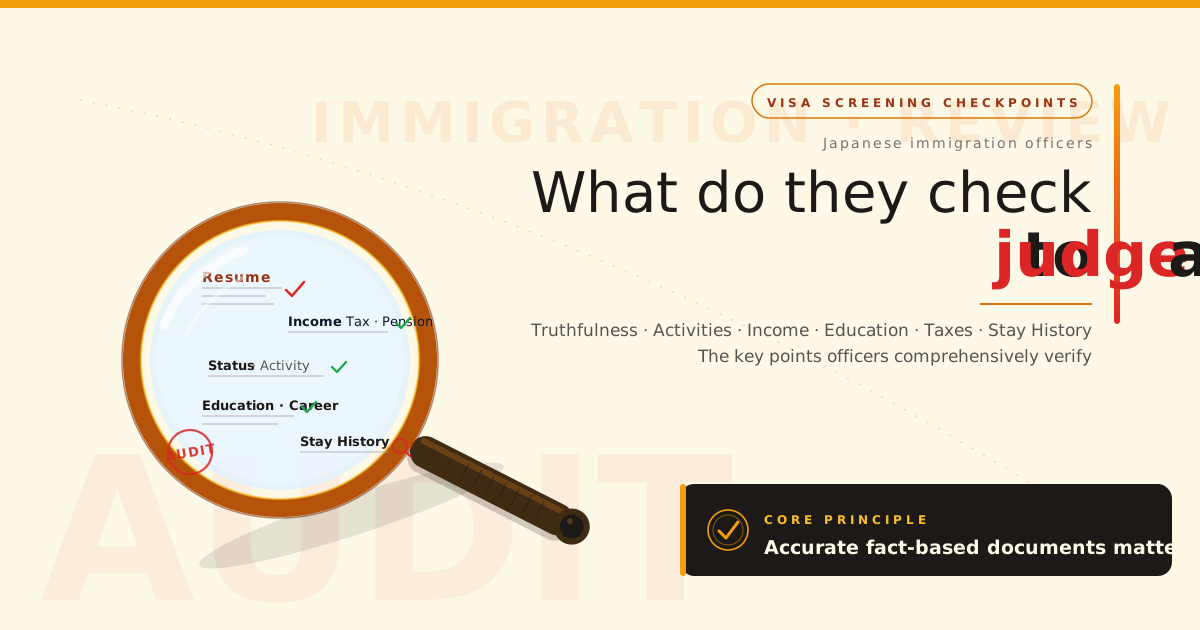
A breakdown of what Japan Immigration Services Agency officers look at during visa screening — truthfulness, activities, finances, taxes, criminal history, and more.
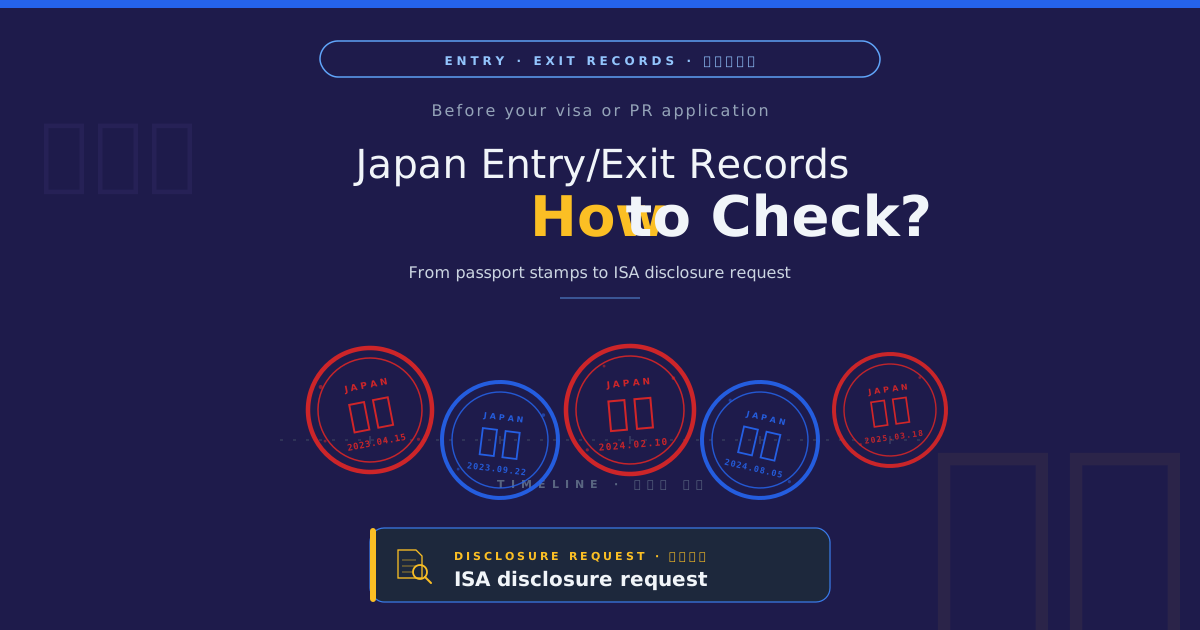
A guide to checking your entry/exit records in Japan — from passport stamps to filing an information disclosure request with the Immigration Services Agency.
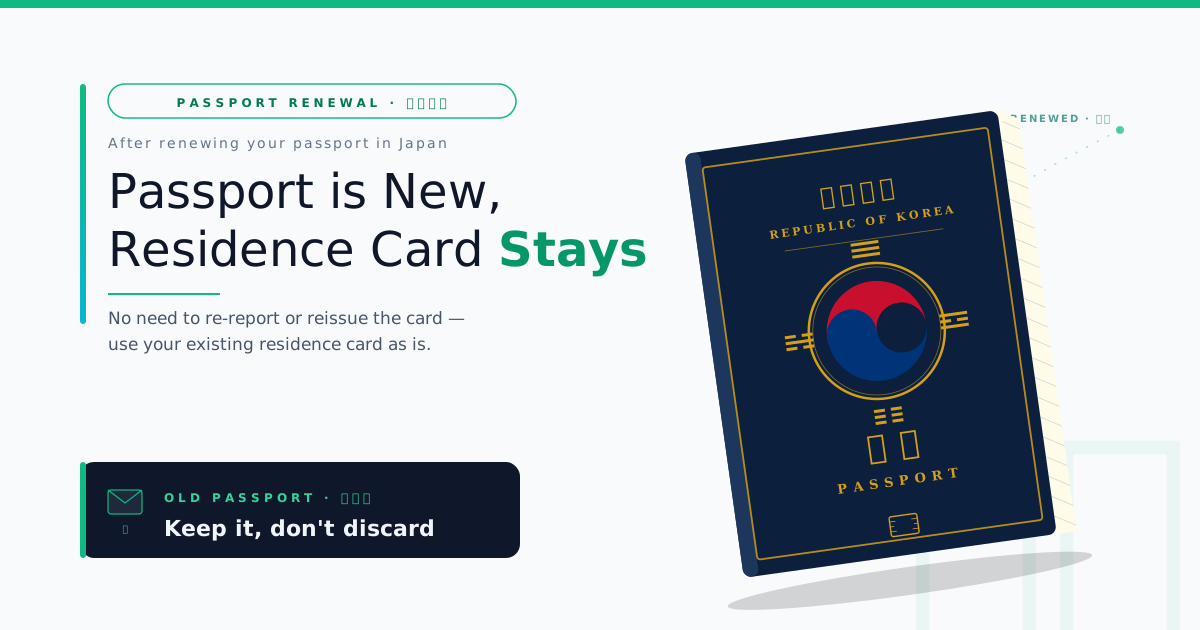
A guide to the steps you need to take after renewing your passport during a long-term stay in Japan — from keeping your Residence Card to notifying banks.
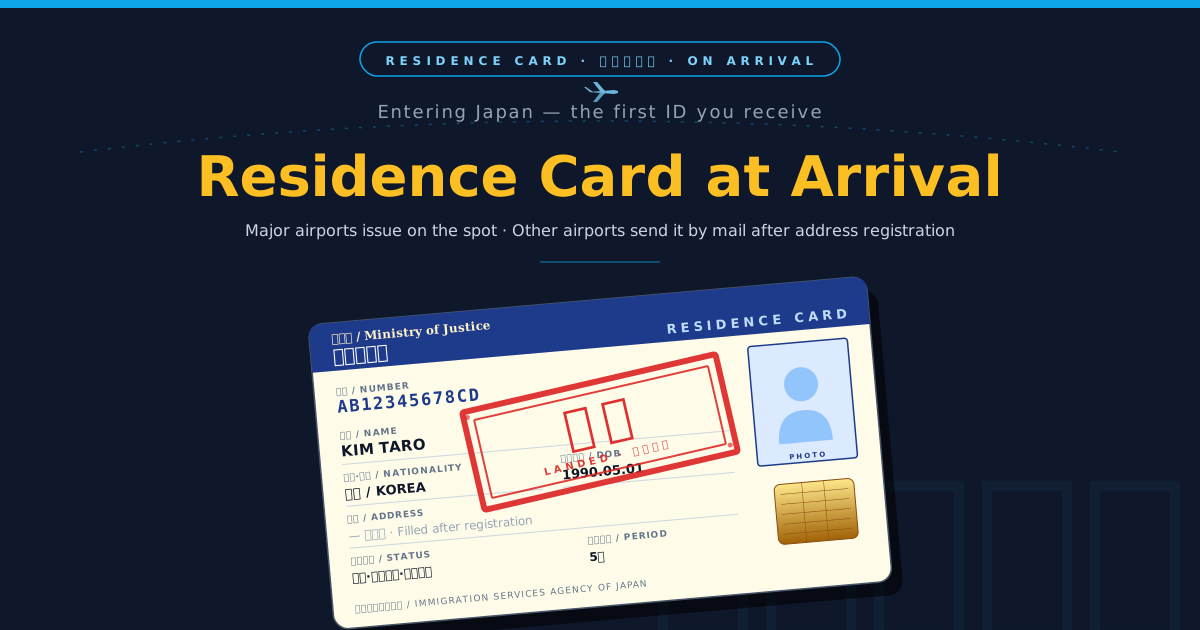
A complete guide to where and how to receive your residence card when entering Japan. Covers on-the-spot issuance at major airports such as Narita, Haneda, and Kansai, mail delivery from other airports, and what to do after arrival — including address registration and card management.
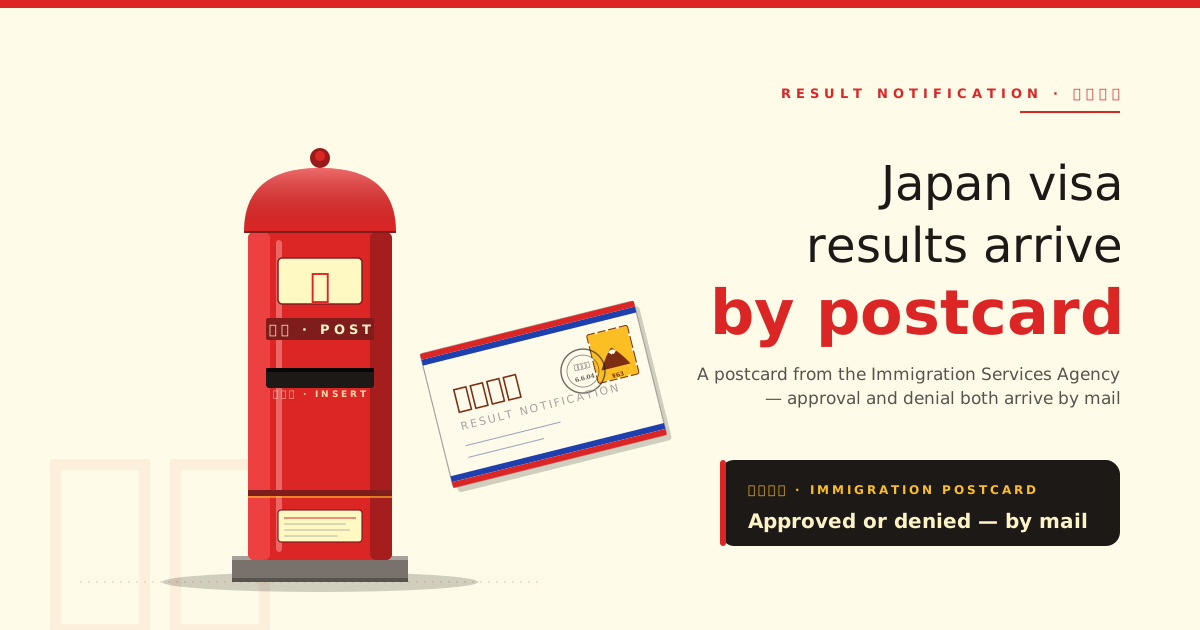
Learn how Japan visa screening results are communicated — from postcard notifications by the Immigration Services Agency to approval and denial procedures, COE outcomes, and permanent residence timelines.
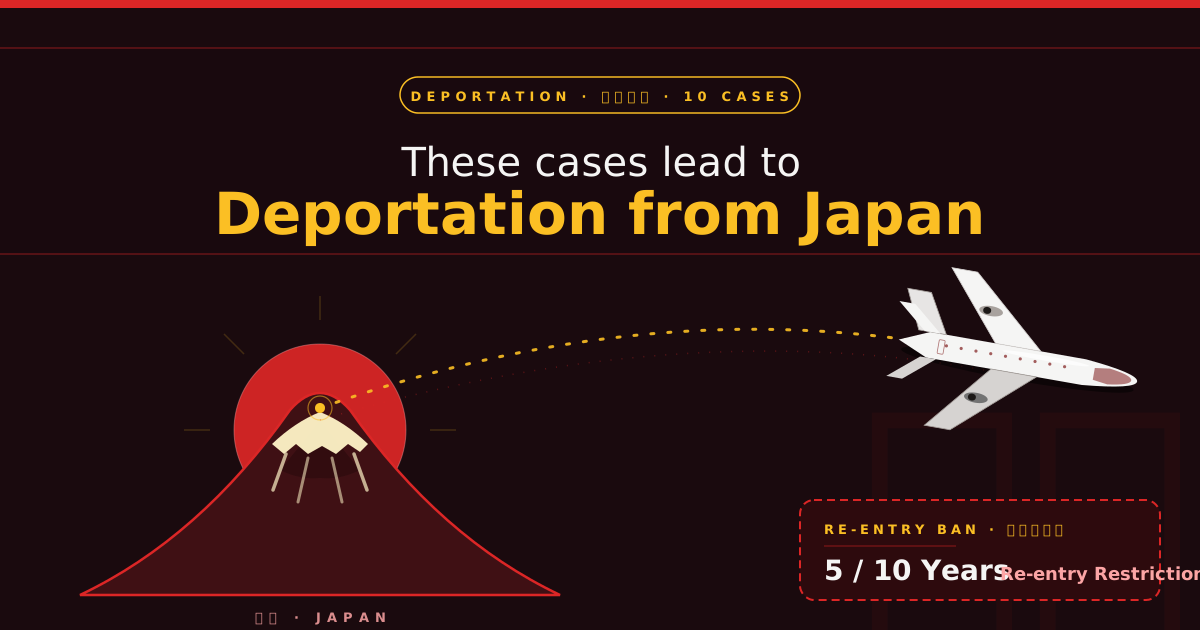
A guide to 10 common cases that can lead to deportation from Japan. Covers overstaying, working on a tourist visa, student part-time work violations, falsified documents, sham marriages, criminal offenses, and failure to report — including re-entry ban periods for each.
How does a criminal record affect Japan visa applications, entry, and permanent residency reviews? This guide covers fines, DUI, drug offenses, minor traffic violations, the risks of misrepresentation, and why permanent residency screening is stricter.
Does Japanese proficiency matter for work visas, spouse visas, or permanent residency in Japan? Learn why JLPT is not required—and why it still matters.
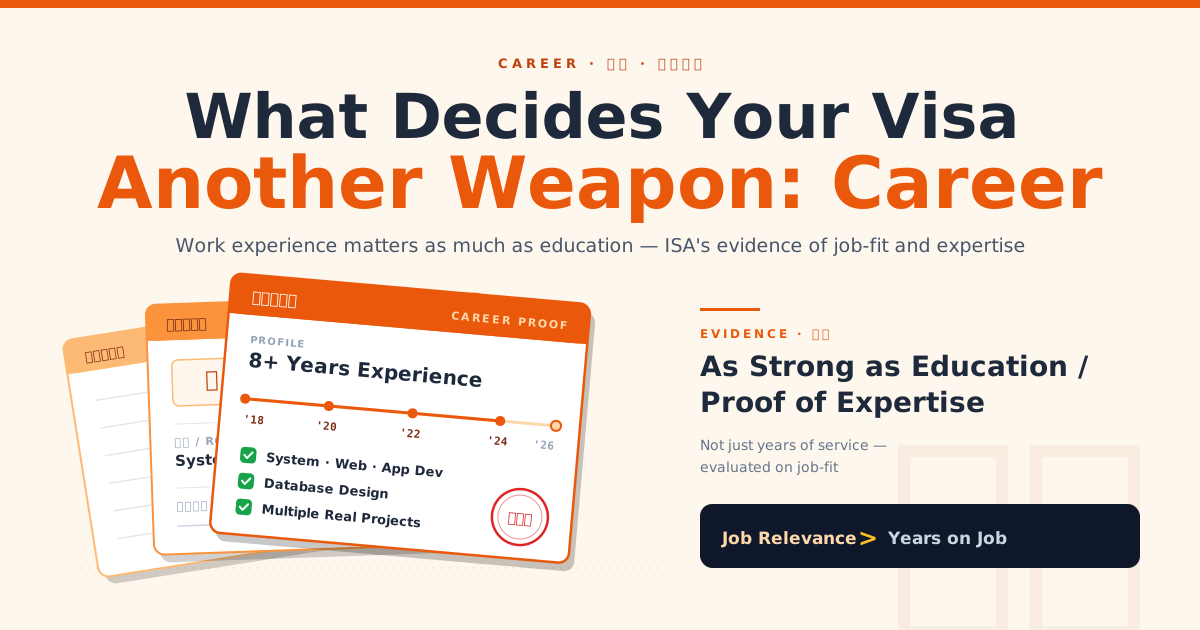
Learn why career history is as important as education in Japan work visa screening, how experience compensates for unrelated majors, IT field recognition, and tips for preparing career documents.